





Is 89 Premium Gas? Find Out Now
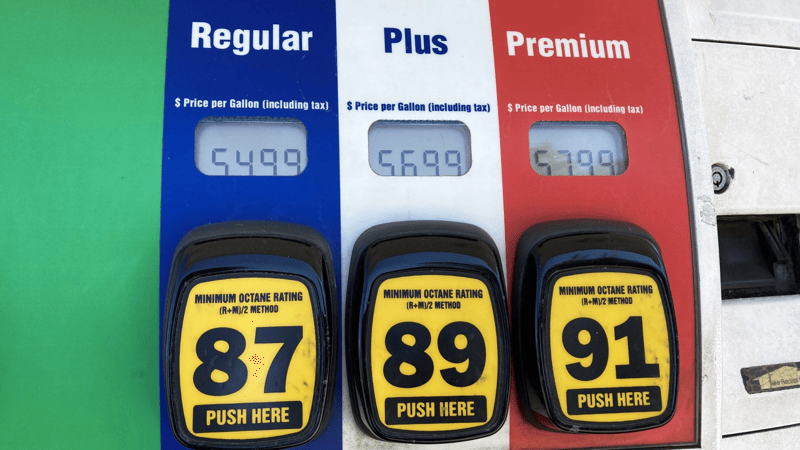
Photo Source/Copyright: Kelley Blue Book
Does filling your vehicle with 89-octane gas grant you the benefits of premium fuel? No, at U.S. pumps, 89 octane is midgrade fuel, not premium. Premium generally begins at 91. The confusion is understandable because grade names aren’t applied the same way everywhere, and the same octane number can sit under a different label depending on the state you’re filling up in. Here’s what the numbers mean and when a higher grade is worth buying.
Overview:
- Where 89 octane actually falls in the U.S. grade lineup
- What each grade name means and what it does not mean
- Why the same octane number changes labels between states
- How to tell if your engine requires, recommends, or ignores premium
- What running 89 costs you when premium is required
Is 89 Octane Considered Premium Gas?
89 octane isn’t premium. The Department of Energy describes the standard U.S. lineup as 87 for regular, 88-90 for midgrade, and 91-94 for premium, placing 89 in the middle tier.
The number on the yellow pump label is the Anti-Knock Index, defined by federal rule as the research octane number plus the motor octane number, divided by two (RON + MON)/2. Some states go further and fix these names in regulation, defining premium at no less than 90 and naming 89 a midgrade.
What Each Grade at the Pump Actually Means
These three names are retail conventions rather than engineering categories. What separates them is knock resistance: a higher index means the fuel resists spontaneous ignition under compression.
It doesn’t mean the fuel carries more energy, nor does it mean the fuel is cleaner. Both of those are common assumptions, and both are wrong. The table below shows how the grades line up in most of the country.
| Grade Name | Typical AKI | Generally Intended For |
|---|---|---|
| Regular | 87 | Most engines, which are calibrated for 87 |
| Midgrade | 88–90 | Engines specifying above 87 but below premium |
| Premium | 91–93, up to 94 | Higher-compression, turbocharged, or supercharged engines |
Why the Same Octane Number Can Carry a Different Grade Name
Grade names shift with elevation. Across six Rocky Mountain states, thinner air lowers the anti-knock requirement, so the ladder slides down. Colorado’s fuel regulator confirms that the three grades sold there are 85, 87, and 91, with 87 as the midgrade and 91 as the premium.
Even so, the Department of Energy cautions that 85 octane dates to the carbureted era. Modern engines should still receive the grade specified by the manufacturer, even when the cheaper option is on the pump.
Does Your Vehicle Require Premium, Recommend It, or Neither?
Higher octane is specified for engines that run higher compression ratios or use turbocharging or supercharging to force in more air. Those designs build more pressure in the cylinder, and it’s that pressure that invites knock. Your owner’s manual states the requirement, and it’s usually printed at the fuel filler door as well. Manuals fall into three groups:
- Required: The engine must have the specified grade.
- Recommended: The engine runs on regular but performs best on higher octane.
- Regular only: Higher octane delivers no benefit.
That distinction decides whether 89 is acceptable. A small number of vehicles list 89 as their minimum, so read the manual rather than assuming the middle button is a compromise.
What Happens If You Use 89 When Premium Gasoline Is Required?
Modern engines won’t simply fail on lower octane, but they do compensate, and the compensation costs you something.
- Immediate: Knock sensors prolong spark timing, and power and fuel economy drop.
- Sustained: The engine can run poorly, and the engine and emissions control system can be damaged over time.
- Coverage: Running below the required grade may affect warranty coverage.
The Department of Energy is direct about this: running below the required grade can make a powertrain function unsatisfactorily and can damage the engine and emissions control system over time.
Occasional use in a pinch is a different situation from a routine habit. If your vehicle requires premium and 89 is all that’s available, fill up, then return to the specified grade at the next opportunity.
Frequently Asked Questions
Q: Is 89 octane worth paying for?
A: If your vehicle requires midgrade or premium, then yes. If it specifies regular, AAA’s controlled testing found no gain in power, efficiency, or cleanliness.
Q: Does 89 octane help when towing in hot weather?
A: Possibly. The Department of Energy notes a few percent improvement during severe-duty operation, such as towing or hauling heavy loads in hot weather, with little benefit in normal driving.
Q: Does 89 octane burn cleaner than 87?
A: No. Octane measures knock resistance, not cleanliness. Detergent level is a separate variable, and Top Tier certification applies across every grade a participating brand sells, including 87.
Get Fuel Guidance
Still unsure which grade your vehicle calls for? Our service team can confirm the specification for your exact engine and walk through what it means for maintenance and fuel costs. Schedule an appointment, or stop by to talk it through.
More From Southern Chrysler Dodge Jeep Ram
True Facts Behind Jeep Compass Reliability Ratings
Photo Source/Copyright: Jeep Short answer? Yes. The Jeep Compass holds up surprisingly well, provided you shop the right model years and keep up with routine maintenance. That second part matters far more than most buyers think. Online chatter about Jeep Compass reliability tends to get heated, but much of that noise focuses on an…
The Jeep Wrangler 4xe Makes Eco Off-Roading Easy
Photo Source/Copyright: Stellantis Most people encounter a Jeep Wrangler in a crowded suburban parking garage or grocery lot long before they ever spot one crawling over granite boulders. It’s the daily reality of modern SUV ownership: school drop-off lines, quick errands, and long, tedious stretches of highway that never quite make it into glossy…
What Octane Gas Does Your Jeep Wrangler Need?
Photo Source/Copyright:The Jeep Insider What type of gas does a Jeep Wrangler take? Regular 87-octane unleaded gasoline is what a Jeep Wrangler uses. Although there are three gasoline engines, two of them are designed so that they offer both good performance and good fuel economy when using regular fuel, which makes the choice…