








The Jeep Wrangler 4xe Makes Eco Off-Roading Easy
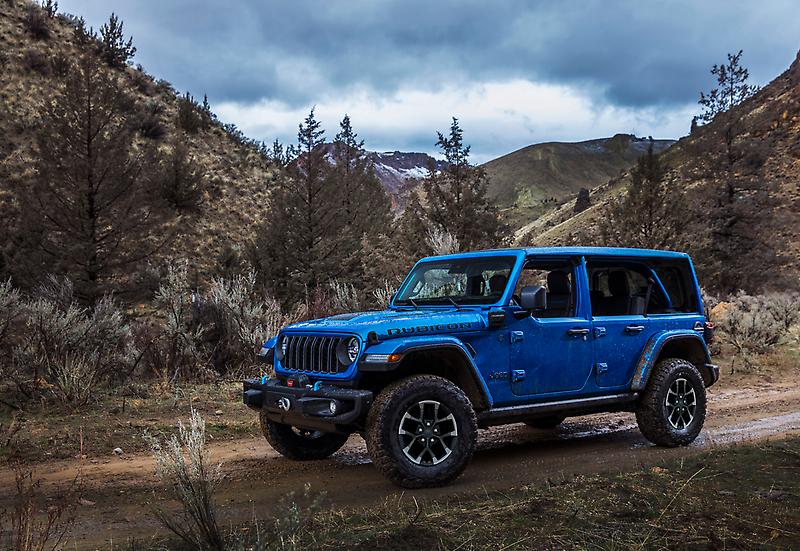
Photo Source/Copyright: Stellantis
Most people encounter a Jeep Wrangler in a crowded suburban parking garage or grocery lot long before they ever spot one crawling over granite boulders. It’s the daily reality of modern SUV ownership: school drop-off lines, quick errands, and long, tedious stretches of highway that never quite make it into glossy sales brochures. That mundane, start-and-stop commute is precisely what a plug-in hybrid drivetrain was designed to swallow.
The Jeep Wrangler 4xe bridges the gap between daily efficiency and off-road capability with impressive logic. By pairing two electric motors with a turbocharged 2.0-liter four-cylinder engine, it lets you quietly zip through morning errands without burning a single drop of gasoline. Yet, when Saturday arrives, and you point the hood toward a muddy trailhead, it surrenders none of the uncompromised off-road grit Wrangler drivers demand.
Powertrain and Performance Specs
| Performance Metric | Wrangler 4xe Specification |
|---|---|
| Engine and Hardware | 2.0L Turbocharged I-4 with dual electric motors |
| Battery Hardware | 17.3-kWh lithium-ion battery pack |
| Total Output | 375 horsepower and 470 lb-ft of torque |
| Electric-Only Range | Up to 21 miles on battery power alone |
| Fuel Economy | 49 MPGe combined / 20 MPG gas-engine only |
| Towing Capacity | 3,500 lbs when properly equipped |
| Total Driving Range | Over 340 miles combined gas and electric |
One Shared Powertrain Across the Entire Lineup
Unlike many hybrid lineups where high-output performance is locked behind expensive luxury trims, Jeep equips every single 4xe variant with the exact same robust powertrain. Whether you opt for an entry-level trim or the top-tier Rubicon, you get identical specs: 375 horsepower and a massive 470 pound-feet of torque delivered through a precise eight-speed automatic transmission and four-wheel drive.
Driver control centers on three intuitive drive modes:
- Hybrid Mode: Blends gas and electric power, automatically leaning on battery energy first for immediate off-the-line torque.
- Electric Mode: Forces the SUV to run strictly on battery power until the charge is fully depleted.
- eSave Mode: Banks battery charge for later off-road trail use while letting the gas engine carry the burden on the highway.
- Regenerative Braking: Automatically feeds energy back into the battery as you slow down, including a “Max Regeneration” toggle that lets you scrub off speed quickly without hitting the brake pedal.
No Special Charging Infrastructure Required
You don’t need fancy commercial fast chargers to keep the 4xe topped off. The 17.3-kilowatt-hour (kWh) lithium-ion battery pack is small by design, meant to cover short daily trips rather than an entire cross-country trek. Plugging the included 120-volt charging cable into standard home wall outlets recharges the battery in roughly twelve hours, meaning it fills overnight with zero additional hardware required.
If you want faster turnaround times, installing a Level 2 home charger or plugging in at an office station cuts charge times to approximately two and a half hours. Paired with a full tank of fuel, total range clears 340 miles, eliminating any need to plan road trips around charging stations.
Choosing Your Trim and Features
Every trim shares the same engine, so choosing your Wrangler 4xe comes down strictly to how much off-road hardware you need and how comfortable you want the cabin to be. Key options include:
- Front and rear locking differentials for serious rock crawling
- Electronic front sway-bar disconnects for added wheel articulation
- Wheel and tire packages ranging from aggressive all-terrain rubber to street setups
- Versatile top options including soft tops, hardtops, and power-retractable tops
- Steel bumpers, rock rails, and upgraded touchscreen audio systems
Practical Math and Peace of Mind
Beyond trail performance, the 4xe delivers real utility. A 3,500-pound tow capacity easily handles teardrop campers, dirt bike trailers, or small boats. Furthermore, the high-voltage battery carries an eight-year or 100,000-mile factory warranty, with extended coverage in states that follow California emissions standards.
Take One Out
The only way to settle whether the electric-first commute suits you is to drive one. Schedule a test drive, or browse our current inventory and see what’s on the lot this week.
More From Southern Chrysler Dodge Jeep Ram
True Facts Behind Jeep Compass Reliability Ratings
Photo Source/Copyright: Jeep Short answer? Yes. The Jeep Compass holds up surprisingly well, provided you shop the right model years and keep up with routine maintenance. That second part matters far more than most buyers think. Online chatter about Jeep Compass reliability tends to get heated, but much of that noise focuses on an…
What Octane Gas Does Your Jeep Wrangler Need?
Photo Source/Copyright:The Jeep Insider What type of gas does a Jeep Wrangler take? Regular 87-octane unleaded gasoline is what a Jeep Wrangler uses. Although there are three gasoline engines, two of them are designed so that they offer both good performance and good fuel economy when using regular fuel, which makes the choice…
Is 89 Premium Gas? Find Out Now
Photo Source/Copyright: Kelley Blue Book Does filling your vehicle with 89-octane gas grant you the benefits of premium fuel? No, at U.S. pumps, 89 octane is midgrade fuel, not premium. Premium generally begins at 91. The confusion is understandable because grade names aren’t applied the same way everywhere, and the same octane number…